
Pile Piling with PHC Spun Piles is one of the most effective foundation solutions for modern construction, delivering exceptional strength, durability, and long-term structural stability. Pile Piling creates the deep structural support needed for stronger, safer, and longer-lasting construction projects.
Every great building starts below the ground. Before walls go up or floors are laid, engineers must make sure the soil can carry the weight. That is where pile piling comes in. It is one of the most trusted methods in modern foundation engineering. And when you combine it with Bashundhara PHC Spun Piles, you get a foundation solution that is strong, durable, and built to last.
Understanding Pile Piling in Modern Construction
What Is Pile Piling?
Pile piling is the process of driving long, slender structural elements deep into the ground. These elements are called piles. They transfer the weight of a structure down to stronger soil or rock layers below. Think of it like inserting legs into soft ground so a heavy table does not sink. Pile piling does the same thing for buildings, bridges, and large structures.
In simple terms, a pile foundation means anchoring a structure to stable ground that lies far below the surface. It is one of the most reliable foundation solutions available in modern construction.
Why Pile Piling Is Essential for Strong Foundations
Not all soil is strong enough to hold a building on its own. Soft clay, loose sand, and waterlogged ground can shift or compress under heavy loads. This can cause a building to lean, crack, or collapse over time. From soft soil to heavy loads, pile piling provides the foundation strength modern infrastructure demands.
Pile piling solves this problem. It bypasses weak surface soil and transfers the load to stronger material below. This is why foundation piling is so important in areas with poor soil conditions. Bashundhara PHC Spun Piles are specifically designed to provide this kind of deep, reliable support.
When Is Pile Piling Required in Construction Projects?
Successful construction starts below the surface, where pile piling delivers unmatched foundation stability. It is not always needed. But in many situations, it is the only safe option. Engineers typically recommend pile piling when:
• The surface soil is too weak or too soft to support the structure
• The building load is very heavy, such as in high-rise or industrial construction
• The site is near water, like rivers, coastal areas, or wetlands
• Settlement or ground movement is a concern
• The foundation must resist horizontal forces, such as wind or earthquake loads
In Bangladesh, these conditions are very common. That is why deep foundation solutions like Bashundhara PHC Spun Piles are in high demand across the country.
Types of Pile Piling Used in Foundation Engineering
There are several types of piling used in construction. Each one works differently and suits different project needs. Understanding the piling methods available helps engineers choose the best approach for each site. Here is a quick overview. Pile Piling is the engineering solution that transforms challenging ground conditions into reliable foundations.
Driven Piles
Driven piles are pushed into the ground using a heavy hammer or hydraulic machine. They work by displacing soil as they go deeper. This type of pile is fast to install and works well in sandy or loose soil. However, it can cause noise and vibration during installation. Bashundhara PHC Spun Piles are a high-performance type of driven piles that overcome many of these limitations.
Bored Piles
Bored piles are made by drilling a hole in the ground and then filling it with concrete. They are useful in areas where vibration is a concern or where the soil is very hard. Among all piling methods, bored piles are slower to install but work well in dense ground conditions.
PHC Spun Piles
PHC Spun Piles are a type of driven piles made from prestressed high-strength concrete piles. They are factory-manufactured under strict quality control. The spinning process during manufacturing gives the concrete a very dense and uniform structure.
Bashundhara PHC Spun Piles are made using this advanced process. They offer exceptional strength and reliability for any foundation piling project.
Key Characteristics of PHC Spun Piles
• Made from prestressed high-strength concrete
• Hollow cylindrical shape for lighter weight and easier handling
• Manufactured in controlled factory conditions
• High compressive strength and load-bearing capacity
• Available in different diameters and lengths to suit project needs
Advantages Over Conventional Piles
Conventional concrete piles, including plain cast or timber piles, have limits. They can crack, rot, or corrode over time. Built for performance beneath the surface, pile piling ensures confidence in every structure above.
Bashundhara PHC Spun Piles overcomes these problems. They resist corrosion, last much longer, and deliver consistent strength. This makes them a superior choice among all types of concrete piles used in modern foundation engineering.
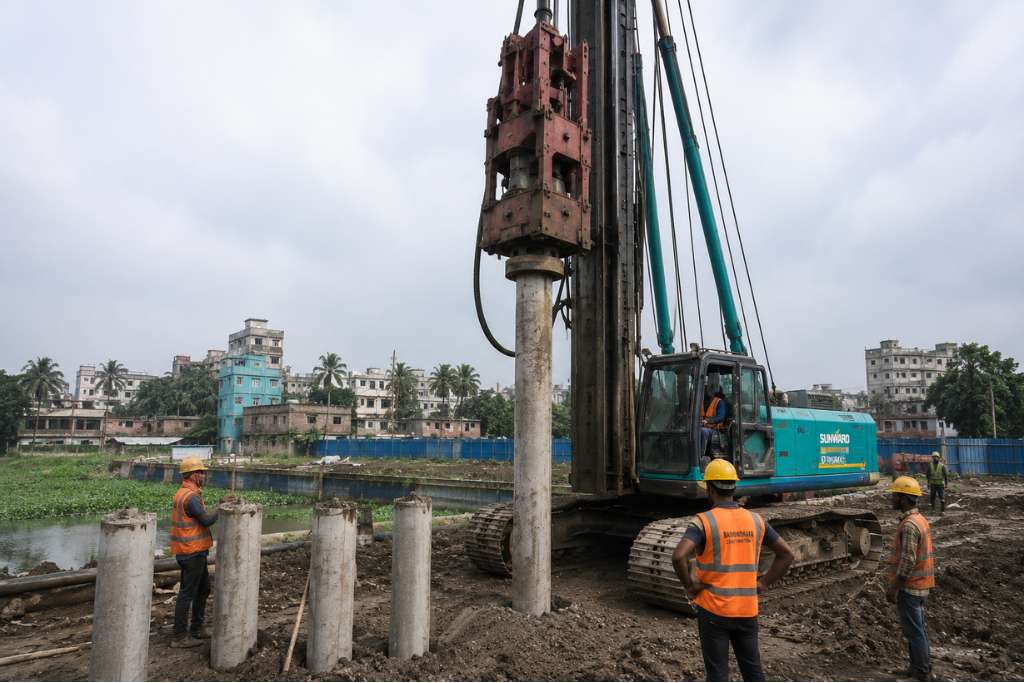
How PHC Spun Piles Improve Pile Piling Performance
High Load-Bearing Capacity
One of the biggest advantages of using Bashundhara PHC Spun Piles is their outstanding load-bearing capacity. These piles can carry very heavy vertical loads. This makes them ideal for high-rise buildings, bridges, and industrial structures where weight is a major concern.
The prestressed concrete design gives Bashundhara PHC Spun Piles a load-bearing capacity that standard piles simply cannot match. Engineers across Bangladesh choose them specifically for this reason.
Superior Durability and Structural Strength
Bashundhara PHC Spun Piles are manufactured using a centrifugal spinning process. This removes air bubbles and creates a very dense concrete structure. The result is a pile that is harder, stronger, and far more durable than traditionally cast concrete piles.
These piles do not crack easily under pressure. They maintain their structural strength even under the most demanding conditions. This is why they are the preferred choice in construction foundations across the country.
Resistance to Corrosion and Environmental Stress
Construction sites often expose materials to harsh conditions. Soil chemicals, groundwater, and humidity can all damage weaker piles over time.
Bashundhara PHC Spun Piles are highly resistant to these threats. The dense concrete structure acts as a natural barrier against moisture and chemical attack. This resistance is a key reason why they are trusted in critical construction foundations nationwide.
Performance in Coastal Areas
Coastal construction is one of the most challenging environments for any foundation. Saltwater, tidal movement, and soft marine soil put extreme stress on foundation systems.
Bashundhara PHC Spun Piles perform exceptionally well in coastal areas. Their corrosion resistance and high load-bearing capacity make them the preferred choice for ports, jetties, and waterfront developments.
Performance in Soft Soil Conditions
Bangladesh has large areas of soft, alluvial soil. Traditional construction foundations often struggle in these conditions. But Bashundhara PHC Spun Piles are designed to penetrate soft soil and reach stable load-bearing layers far below the surface. This ensures a secure and stable pile foundation even in the most challenging ground.
The Pile Piling Process: From Design to Installation
Successful pile piling does not happen by chance. It requires careful planning, expert foundation engineering, and precise execution. Here is how the process works when using Bashundhara PHC Spun Piles. By choosing Pile Piling with PHC Spun Piles, engineers and developers can ensure higher load-bearing capacity, faster installation, and reliable performance even in challenging soil conditions.
Site Investigation and Soil Analysis
Before any pile is installed, engineers study the ground. They conduct soil tests to understand the type, strength, and layering of soil at the site. This information helps them decide how deep the piles need to go and what load-bearing capacity they must carry.
Pile Design and Engineering
Based on the soil data, engineers design the pile foundation system. They calculate the number of piles needed, the required diameter, and the target depth. This step of foundation engineering ensures that the entire structure will rest safely and securely.
Manufacturing of PHC Spun Piles
Bashundhara PHC Spun Piles are manufactured in a modern facility using precise production methods. High-strength concrete is poured into steel molds and then spun at high speed. This spinning process creates a dense, uniform, and void-free concrete wall inside the pile.
Quality checks are performed at every stage of production. This ensures that every pile meets the required strength and dimensional standards before it leaves the factory.
Installation and Quality Control
Once the piles arrive at the site, installation begins. The process is monitored carefully to ensure each pile is driven to the correct depth and angle.
Transportation and Handling
Proper handling is important to avoid damage before pile installation. Bashundhara PHC Spun Piles are delivered with clear handling guidelines. Lifting points are marked, and trained crews manage the loading and unloading process to keep the piles in perfect condition.
Pile Driving Procedures
Pile installation is carried out using hydraulic or drop hammers. The piling rig drives each Bashundhara PHC Spun Pile into the ground with controlled force. Engineers monitor penetration rate and hammer blow count to confirm that the pile has reached the design depth and load-bearing capacity. This controlled pile installation process ensures every pile performs as designed.
Applications of Pile Piling with PHC Spun Piles
The versatility of Bashundhara PHC Spun Piles makes them suitable for a wide range of construction foundations. They are used wherever a deep, reliable foundation is needed.
High-Rise Buildings
Tall buildings place enormous loads on the ground. Standard shallow foundations cannot handle this pressure. Bashundhara PHC Spun Piles provide the deep foundation support that high-rise buildings need. They distribute the load evenly and prevent any settling or movement.
Industrial Facilities
Factories, warehouses, and processing plants require strong floors and stable ground support. These facilities often carry heavy machinery and large storage loads. Bashundhara PHC Spun Piles ensure that industrial structures remain stable and safe throughout their operational life. They are among the most reliable foundation solutions for industrial construction.
Bridges and Flyovers
Bridges and flyovers must carry the weight of vehicles, wind loads, and their own mass. They need foundations that go deep and hold firm. Bashundhara PHC Spun Piles are widely used in bridge foundation engineering because of their high load-bearing capacity and proven performance in all soil types.
Ports and Marine Structures
Ports, jetties, and marine terminals sit in or near water. The foundations must resist vertical loads, wave action, current forces, and saltwater corrosion. Bashundhara PHC Spun Piles are an ideal foundation solution for these environments. Their corrosion resistance and structural strength make them the top choice for marine construction foundations.
Commercial and Residential Developments
From shopping malls to apartment complexes, commercial and residential buildings rely on solid foundations. Bashundhara PHC Spun Piles are used in mixed-use developments across Bangladesh to provide reliable pile foundation support for all types of urban construction.
Infrastructure Projects
Large-scale infrastructure depends on strong, long-lasting construction foundations. Bashundhara PHC Spun Piles play a key role in major infrastructure development, offering proven foundation solutions across the country.
Transportation Networks
Roads, highways, and rail lines often pass over soft or unstable ground. Elevated sections and bridge supports require pile piling. Bashundhara PHC Spun Piles are used in these transportation projects to ensure safety and structural integrity for decades.
Energy and Utility Projects
Power plants, substations, and utility facilities require stable ground support. Foundation failure in these settings can have serious consequences. Bashundhara PHC Spun Piles provide the deep foundation reliability that energy and utility infrastructure demands.
Long-Term Foundation Reliability
One thing all these applications share is the need for long-term reliability. Bashundhara PHC Spun Piles are designed and manufactured to deliver just that. Once installed, they continue to support construction foundations reliably for many decades.
Benefits of Choosing PHC Spun Piles for Pile Piling
Faster Construction Timelines
Time is money in construction. Bashundhara PHC Spun Piles are factory-made and ready for immediate pile installation. There is no waiting for concrete to cure on-site. The process is also fast and efficient. This helps project teams meet tight deadlines and reduce overall construction time.
Reduced Maintenance Requirements
Once installed, Bashundhara PHC Spun Piles require little to no maintenance. Their dense concrete structure resists moisture, chemical attack, and biological deterioration. This means fewer repairs and lower long-term costs. It is one of the key benefits of choosing PHC Spun Piles over other piling methods.
Cost-Effective Foundation Solutions
While the upfront investment in quality piles may seem higher, the long-term savings are significant. Faster pile installation, fewer on-site problems, and minimal maintenance all add up to a very cost-effective foundation solution. Bashundhara PHC Spun Piles deliver excellent value for any project.
Consistent Factory-Controlled Quality
One of the biggest risks in construction is inconsistent material quality. Bashundhara PHC Spun Piles eliminate this risk. Every pile is manufactured under strict quality control in a factory environment. This means every pile meets the same high standard of strength and performance. This consistency is what separates quality concrete piles from ordinary ones.
Pile Piling vs Traditional Foundation Systems
Deep Foundations vs Shallow Foundations
Shallow foundations sit near the surface and work well when the ground is strong and stable. But when soil is weak, compressible, or waterlogged, shallow foundations are not safe. Deep foundation systems, like pile piling, bypass poor soil and reach stable layers far below. This is why deep foundation solutions are widely used in countries like Bangladesh where soft soil is common.
When to Choose Pile Piling
It is the right choice when:
• The soil near the surface cannot support the building load
• The structure is tall, heavy, or carries dynamic loads
• The site is in a flood-prone, coastal, or waterlogged area
• Long-term stability and minimal settlement are required
In all these cases, Bashundhara PHC Spun Piles provide a reliable and proven pile foundation solution. Among all piling methods available today, PHC Spun Piles is the most dependable option.
Factors Affecting Foundation Selection
Engineers consider many factors when choosing between piling methods and other foundation solutions. These include soil type and condition, building weight and height, site location, water table level, budget, and project timeline. Bashundhara PHC Spun Piles are flexible enough to be used across a wide range of these conditions.
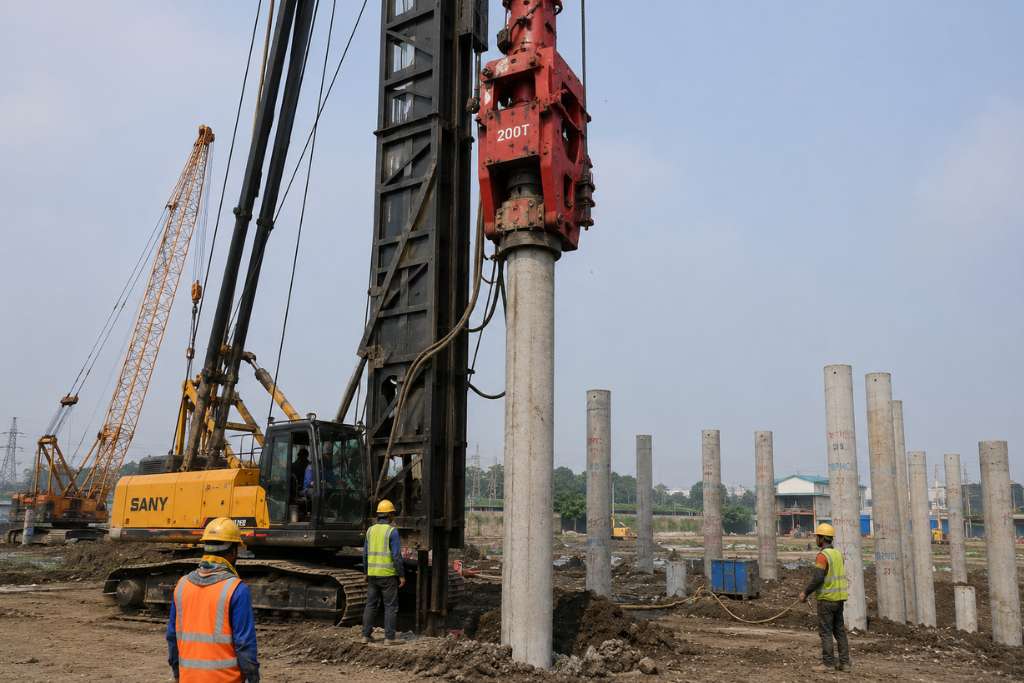
Why PHC Spun Piles Are the Preferred Choice for Modern Construction
Engineering Precision
Bashundhara PHC Spun Piles are engineered with precision. From the mix design of the concrete to the tensioning of the prestressed steel strands, every detail is carefully controlled. This engineering precision is a core part of what makes them the best option in modern foundation engineering. No other foundation solution matches this level of factory-controlled accuracy.
Sustainability and Resource Efficiency
Modern construction must think about environmental impact. Bashundhara PHC Spun Piles use materials efficiently and last for a very long time. This reduces the need for replacement and lowers the overall environmental footprint of construction foundations. Choosing long-lasting concrete piles is one of the most practical ways to make construction more sustainable.
Long-Term Structural Performance
A foundation is not something you want to replace or repair. It must work perfectly for the entire life of the building. Bashundhara PHC Spun Piles are built for exactly that purpose. Their high load-bearing capacity, corrosion resistance, and structural durability ensure that the pile foundation keeps performing at full capacity for many decades.
Whether for high-rise buildings, bridges, ports, or industrial facilities, Pile Piling with PHC Spun Piles provides a dependable foundation solution built to support generations of development.
Frequently Asked Questions About Pile Piling
What Is the Difference Between a Pile and Piling?
A pile is a single structural element, such as a concrete column, that is driven into the ground. Piling refers to the overall process or system of installing these elements. When we talk about pile piling, we are talking about the complete activity of designing, manufacturing, and installing piles to create a deep foundation. Both terms relate to the same core concept in foundation engineering.
What Is the Standard Size of a Pile?
Pile sizes vary depending on the project requirements. Common diameters for PHC Spun Piles range from 300mm to 1000mm or more. The length can vary from a few meters to over 30 meters. Bashundhara PHC Spun Piles are available in various sizes to match the specific needs of different construction foundations.
What Are the Three Main Types of Piling?
The three main types of piling used in construction are:
• Driven piles, which are hammered or pushed into the ground
• Bored piles, which are formed by drilling and filling with concrete
• Sheet piles, which are used mainly for retaining walls and temporary excavation support
Among these types of piling, driven piles like Bashundhara PHC Spun Piles are the most common for large-scale projects. They offer the best balance of speed, strength, and long-term performance.
What Are the Four Types of Foundations?
The four main foundation types are:
• Shallow foundations such as strip, raft, and pad foundations
• Pile foundations that transfer loads to deeper soil or rock
• Caisson or drilled shaft foundations used for very heavy loads
• Combined foundations that use a mix of methods
Pile piling creates a pile foundation, which is the most reliable option for challenging ground conditions. It is also one of the most widely used foundation solutions in large-scale construction today.
How Long Do PHC Spun Piles Last?
Bashundhara PHC Spun Piles are built to last for 50 years or more under normal conditions. In some environments, properly installed PHC Spun Piles have performed reliably for much longer. Their resistance to corrosion and physical stress is a key reason for this outstanding durability. When you choose Bashundhara PHC Spun Piles, you are investing in a foundation solution that truly stands the test of time.
Why Are PHC Spun Piles Suitable for Large-Scale Projects?
Large-scale projects demand consistency, speed, and reliability. Bashundhara PHC Spun Piles deliver all three. They are factory-made to tight specifications, available in large quantities, and can be installed quickly at the job site. Among all piling methods available for large-scale work, pile piling with Bashundhara PHC Spun Piles is the most dependable choice. Their load-bearing capacity, durability, and consistent quality make them ideal for major infrastructure and construction projects.
Build Stronger Foundations with Reliable Pile Piling Solutions
Every structure tells a story. And that story begins underground. When the foundation is strong, the building stands firm through floods, heavy loads, and the test of time. When the foundation is weak, problems follow.
Bashundhara PHC Spun Piles give builders, engineers, and developers the confidence they need. These piles are not just construction materials. They are the backbone of safe, stable, and long-lasting construction foundations. Choosing Bashundhara PHC Spun Piles means choosing one of the most proven foundation solutions in the industry.
Whether you are working on a high-rise tower, a critical bridge, a port facility, or a large residential project, pile piling with Bashundhara PHC Spun Piles is a decision you can trust.
The Future of Foundation Construction with PHC Spun Piles
Bangladesh is growing fast. New cities are expanding. Infrastructure is being built at record speed. And as construction gets bigger and more complex, the demand for reliable, high-performance foundation piling will only increase.
Bashundhara PHC Spun Piles are ready for this future. With their advanced manufacturing, consistent quality, and proven track record, they represent the best in modern foundation piling technology. No other product in the market combines the load-bearing capacity, durability, and precision engineering that Bashundhara PHC Spun Piles provide.
When you choose Bashundhara PHC Spun Piles for your next project, you are not just choosing a product. You are choosing a deep foundation solution that will protect your investment and support your structure for generations to come.
Build with confidence. Built with Bashundhara PHC Spun Piles.
